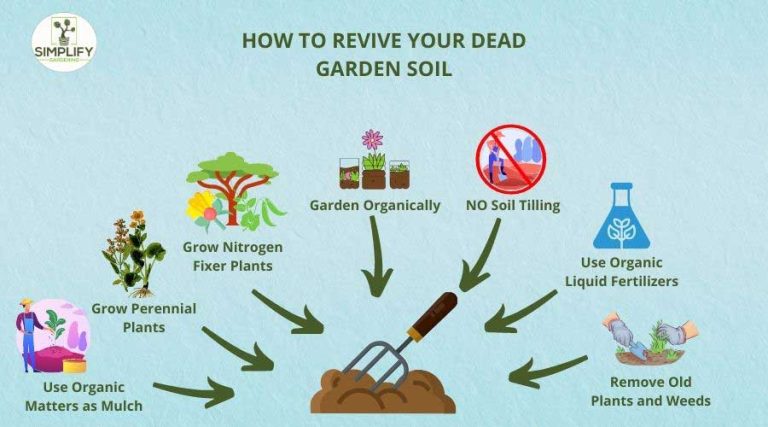
• Mulch—Nature hates exposed soil because it knows it means certain death to the microbes that live just below. No matter how many times you cultivate or hoe, nature will fight even harder to cover it with the fastest growing thing she has and that is a weed. Covered soil holds moisture longer and it doesn't erode in heavy rains. It also keeps the temperature more constant whether in winter or summer which protects your plant roots as well as the microbes.

Organic deep mulch gardening provides a constant supply of nutrients for the organisms to consume and break down, further improving your soil. I gave up on bought potting mixes a few years ago. I was mixing the potting mix with equal parts of reasonable garden soil and home made compost to stretch it out, and discovered that I was getting much better results with more compost. Now what I do is put the compost through a soil sieve, use the fine stuff as seedling mix and the coarser stuff as potting mix. (Your crop rotation point.) Usually there's enough matured compost in a pot for me to repot the next thing if I use the chopped garden waste to fill the bottom half. If there's not enough I add more fresh compost instead.

I'm wondering if we get on the wrong track buying "sterile" potting mixes. When I sift the compost I almost always find worms and centipedes and I've got no doubt if they're in it then so are a lot of smaller organisms I can't see. I always see things on how to work with sandy, silty, or clay soils, practically nothing on peat soils. I moved to an area this last Fall, that had a lot of glacier activity and is a meadow or grass land now. We would like to grow a garden, but we have black peat soil for about 14 feet down. I used a home soil test and found no nitrogen in the soil.

There is some phosphorus and a small amount of potassium. What should we do to our soil to be able to grow a vegetable garden and fruit trees? Use permanent wide rows, square foot gardening, or any method you like as long as you keep living plants on the soil. That means use cover crops and there are many to choose from. They will keep the soil covered and add organic matter to feed the microbes once you turn them into mulch. You might want to mow them or weed-eat but leave the plant material where it grew.

Studies have shown that hairy vetch grown before tomatoes and then left as mulch increases tomato yields substantially. I'm sure there are many other combinations that could work just as well. Scale back the watering to mimic the typical water cycle in their native environment. A dying money tree is usually because of root rot due to overwatering or poor drainage which causes the money tree's leaves to droop, turn yellow and drop off. Low humidity and excessively dry soil cause the money tree's leaves to turn brown with a wilting, dying appearance. Tilling organic matter deeply into the soil may create a cleaner-looking soil surface, but this practice leaves organisms that live near the surface without a food source.

The easier, healthier approach is to add compost or plant residues to the soil surface or to incorporate them into only the top few inches of soil. The soil biota will take care of breaking the material down into nutrients your plants can use, and moving the nutrients down into the soil where plant roots can find them. The best way to improve soil texture is by adding organic material, such as compost or peat moss. Decaying organic matter helps sandy soil by retaining water that would otherwise drain away.

And it corrects clay soil by making it looser, so air, water, and roots all can penetrate. Plus, in all soils it encourages beneficial microbial activity and provides nutritional benefits. You can increase the amount of organic matter in your soil by adding compost, aged animal manures, green manures , mulches or peat moss. Because most soil life and plant roots are located in the top 6 inches of soil, concentrate on this upper layer. To learn more about making your own compost, read All About Composting. When your flowers fade, and the temperatures drop, it's time to empty your containers and put them away for the winter.

It's tempting to keep and reuse the old potting soil, which can be pricey, especially when you have a lot of potted plants like I do. But this lightweight mix of compost, peat, perlite, and other materials doesn't last forever. Plants use up the nutrients in it as they grow, and the mix can become compacted and filled with roots. Sometimes pests, diseases, and weeds can take up residence, ready to pop back up when you replant in the mix. However, you can remedy each of these issues and get another use out of your potting soil with a little extra work. In the long run, however, you can supply minerals without purchasing inputs.

The organic materials we add to our soil supply most of the minerals healthy crops need. In addition, we plant "fertility patches" to grow a lot of our own mineral supplements. Spreading a thin layer of compost on a lawn is a powerful way to immediately boost the overall soil content and nutrient density.

As the compost layer is watered, the natural fertilizer will leach into the grass roots and provide a healthy growth spurt, especially if the ground has been aerated. You can talk with your lawn-care professional to find the right compost for your yard to revive any "dead" grass you may have and boost the overall health of your lawn. Usually the reasons for a dying money tree are overwatering, underwatering, low humidity excessively hot or cold temperatures or too much sun.
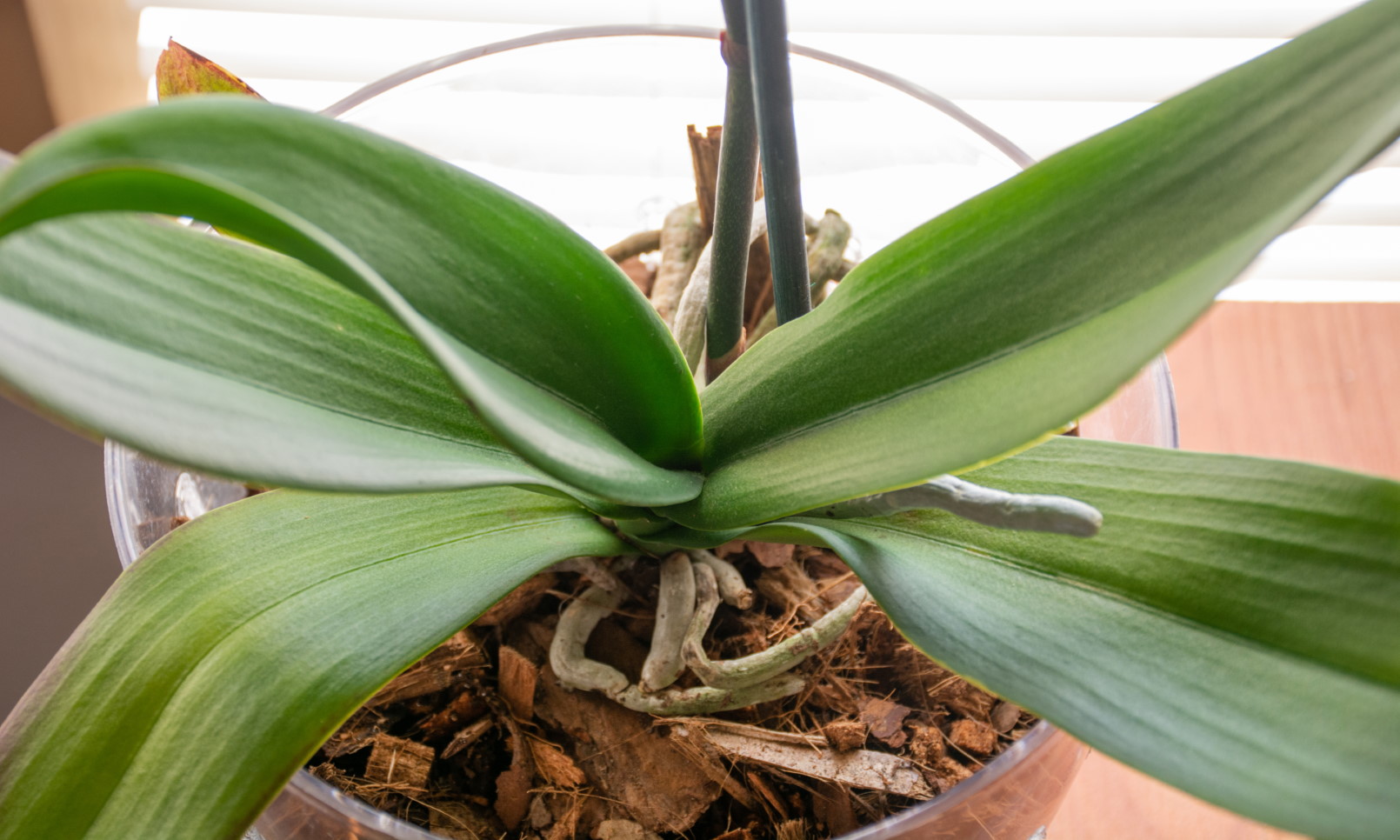
Money tree leaves turn yellow and drop off due to root rot caused by overwatering whereas the leaves wilt and turn brown due to low humidity and dry soil. Ensure that the money tree's pot has drainage holes in the base. Pots without drainage causes excess water to pool around the roots. It is essential that the money tree's soil can dry out somewhat between bouts of watering to prevent yellow leaves.

Ensure that the drainage holes does not become blocked with compacted soil or any obstruction. If your soil will be fallow for more than one growing season, you can plant perennial or biennial green manures, such as clover or alfalfa. All cover crops should be tilled-in at least three weeks before the area is to be replanted, so the organic matter will already be partially decomposed at planting time.

The heat as you say will kill the pathogens however the down side to heating soil in an oven/microwave is it also kills the beneficial microbes so you end up with safe, but 'dead dirt! ' Beneficial microbes are an integral part of growing healthy plants. Bacteria and archaea are the smallest microbes in the soil and comprise the largest number of all living soil organisms by far. We tend to fear these one-cell life forms as the source of disease and infection, but in reality, life would be impossible without bacteria in the soil as well as in our own bodies.
There are more species than we can count, but only a portion of them are harmful. Bacteria decompose organic matter using enzymes to break down the cells into individual minerals and nutrients, which they store in their own bodies until needed by the plants. If not for their ability to store them, the minerals and nutrients would be washed away after a rain or released into the air. Bacteria also create a slime that holds the soil particles together and buffers the acidity of the soil. This is how they improve soil texture and water-holding capacity.
Their size limits their mobility though and most spend their life within a few inches if they don't catch a ride somehow. In some cases, "dead" grass can benefit from a fresh cut; you can try mowing the whole lawn and leaving a thin layer of the grass clippings behind. Grass can act as its own fertilizer since the blades already contain the nitrogen the roots need.

The grass clippings left behind will slowly decompose and provide healthy nutrients to struggling roots. However, after leaving grass clippings behind, you may need to rake them out evenly across the lawn to avoid thick clumps that can block out needed sunlight. Money trees leaves turn yellow and droop due to excess water around the roots which causes root rot. Overwatering, or pots without drainage holes in the base are the most common reasons for a money tree developing root rot causing the leaves to turn yellow with a dying appearance. Water money trees as often as required, so that the soil feels moist but not saturated.

Water with a generous soak so that excess water trickles from the base of the pot. It's generally fine to reuse potting soil if whatever you were growing in it was healthy. If you did notice pests or diseases on your plants, it's best to sterilize the mix to avoid infecting next year's plants. First, remove any roots, grubs, leaves, and other debris from the old potting soil.

Then, decide on the best method for banishing microbes and insects. If some weed seeds have fallen into the potting mix, I personally wouldn't worry about them. I mulch new garden beds and pots well and this tends to stop the majority of weeds – most never germinate anyway and if they do, I deal with them later by hand picking as they come up. Legumes are especially valuable cover crops, because they fix nitrogen from the atmosphere into forms available to crop plants. Mixes of different cover crops are often beneficial.
Growing cover crops is perhaps the most valuable strategy we can adopt to feed our soil, build up its fertility and improve its structure with each passing season. Freshly killed cover crops provide readily available nutrients for our soil microbe friends and hence for food crop plants. Plus, the channels opened up by the decaying roots of cover crops permit oxygen and water to penetrate the soil.

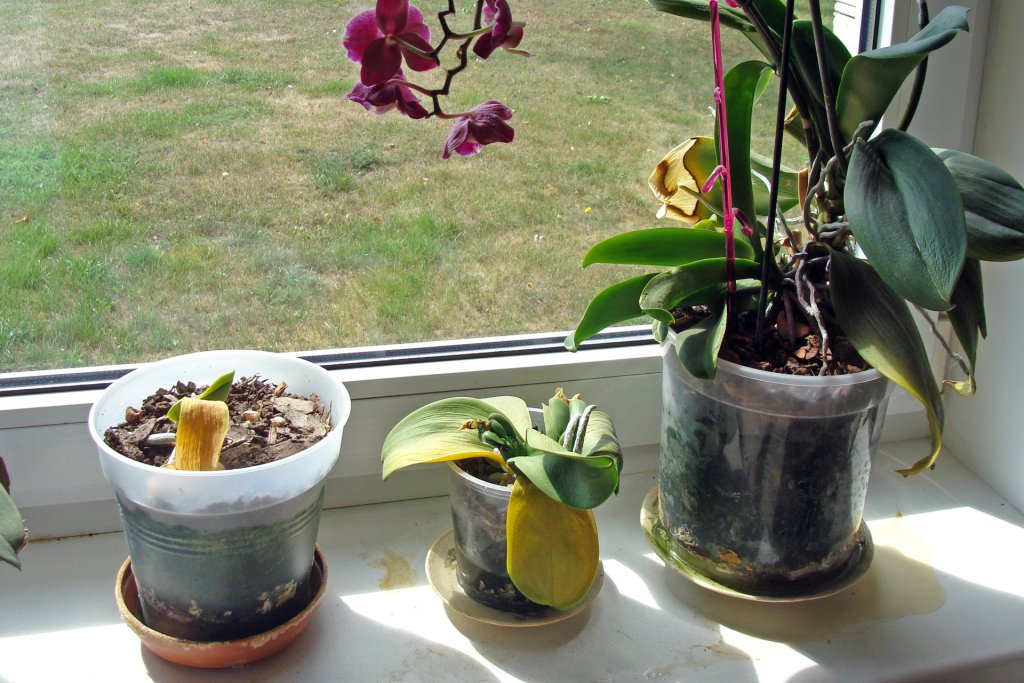
The roots may even wind around the inside of the container, making it difficult for them to uptake water and nutrients. If you see more roots than soil, or roots coiling round the inside of the pot, it is time for a bigger container. Sometimes, all it takes to revive a dying plant is a little repotting.
Plants that are over-watered appear wilted and may have brown or yellow leaves that make it look dead but with very moist soil. By contrast, if you have forgotten to water your plants, the leaves will be brown but dried around the edges or curled up. Kristena LaMar, master gardener in Oregon, says that if you suspect over-watering is the cause of your plant's demise, repot your plant in dry dirt.

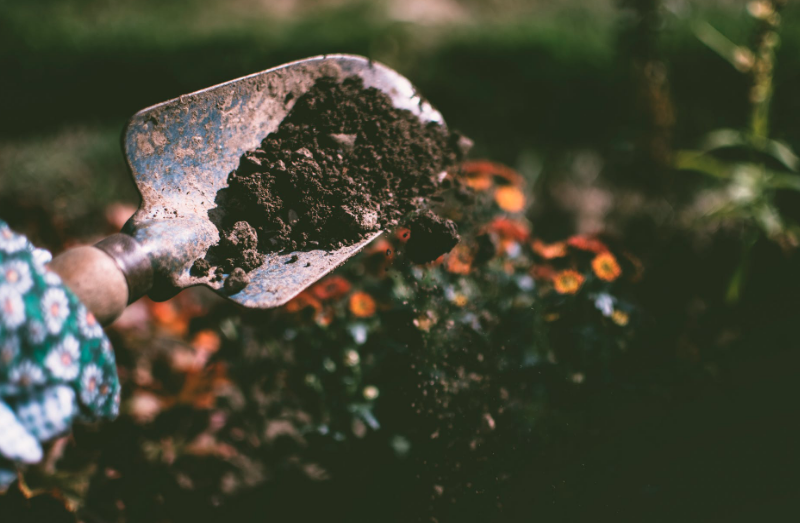
However, hold off on fertilizing until the plant is in better health. Meyers warns that "fertilizing a struggling plant can injure the tender roots of a recovering plant." Prevent pests that can decimate your plants with these DIY solutions. Use a spade to add about 2-3 inches of organic matter into the topsoil. Compost, animal manure, and peat moss not only improve the soil's moisture retention but they also attract worms that help water flow through the soil. If you're dealing with heavy clay soil, use a mixture of sand and organic material to reduce waterlogging.

When it comes to a healthy garden, maintaining proper soil moisture is very important. Having a dry soil is something you want to avoid as this can result in withered or dead plants. When the dry season arrives, soil that lacks organic ingredients will quickly become dehydrated and will actually repel water instead of absorbing it. To avoid this, you want to keep your garden soil as healthy as possible so the water can easily reach the plant roots.

Ensure the money tree's pot has drainage holes in the base to allow excess water to escape after watering. Pots without drainage cause water to pool around the roots and money trees do not tolerate saturated soil for long periods. Propping your money tree on pebbles above the waterline is a good way to prevent this problem and also creates a favorable humid micro-climate around the money tree. Move the money tree to an area of bright, indirect light.

If the money tree's leaves have been in direct sunlight, this is the cause of the brown leaves. The optimal balance of light for a money tree is bright indirect light which ensures there is enough light to keep the plant healthy yet not too much sun that the leaves turn brown. The shade also helps to reduce water loss from the leaves as the plant is likely dehydrated from too much sun. Using Chickens to break the Pest/Weed Cycle – You were on the right track and almost solved this 'problem' by feeding your grubs to the chooks – this is working with nature at its best. To take this one step further, you can solve future woes quite easily – or your girls can!

Rocky soils can't be cultivated and are usually very low in plant nutrients. In this situation the cheapest option may be to build garden beds on top of the existing soil. This can be done by importing soil to the site or by using the No Dig gardening method. Plants need water to survive and thrive, but it's possible to give a plant too much water.

"Overwatered plants will have brown or yellow wilted leaves with moist soil," says Valentino. "This will affect the roots, which can start to rot." If you've been giving your plant too much water, you will need to make some changes—ASAP. "Move the plant out of direct sunlight and stop watering until the soil dries out," advises Morganthaler. "If the soil is soggy, you may want to change the soil and the pot." From there, do a little research. Look up your plant and its watering preferences, and make sure to follow that information to a T in the future.
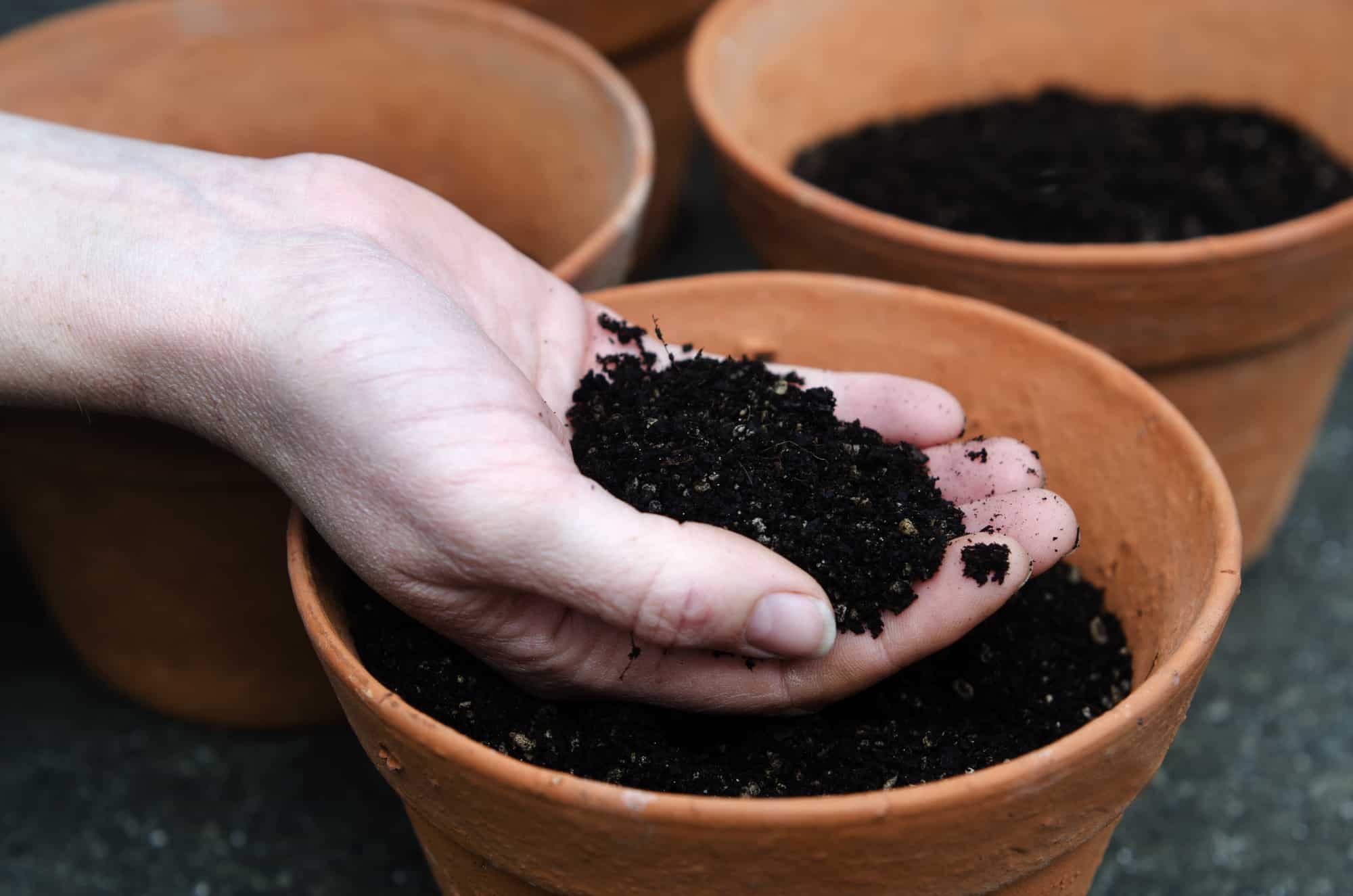
How To Bring Dead Soil Back To Life If your plant is suffering from too much water , hold off on adding fertilizer or plant food to your plant's soil until it's fully recovered. Keep water-damaged plants out of direct sun and lightly water until their roots have recovered. You'll know its fully recovered when the plants leaves return to its normal green color and the soil is neither too moist nor too hard. Money tree leaves turn brown because of too much direct sunlight on the leaves or low humidity. Money trees are adapted to growing in the shade under a forest canopy with high humidity. If the money tree is in direct sunlight or the humidity is too low indoors then the leaves scorch brown with a dying appearance.

The only time I do massive tillage in the garden is when digging root crops such as potatoes, sweet potatoes and burdock. With such crops, I dig deep and thoroughly with the spading fork — a total disruption of soil structure and inversion/mixing of its natural layers. My goal, however, is to make such intensive disruptions the rare exception rather than the rule. That way, the intact soil life communities in surrounding beds soon help rebuild the soil food web in the disturbed areas.

If you don't have chickens, a no-till way to develop new ground is to lay down a sheet compost, as previously discussed, which is heavy enough to kill the existing sod. This strategy works better if you can give the area over completely to soil building for a full year. If you have to get some production out of the ground the first season, simply open up holes in the compost and plant . A plant's home is its container or garden bed, so dig around in the soil for evidence. If the soil is hard, compacted, cracked and dry, inadequate water is probably the issue. This kind of damage can be corrected quickly if you catch it in time.


No comments:
Post a Comment
Note: Only a member of this blog may post a comment.